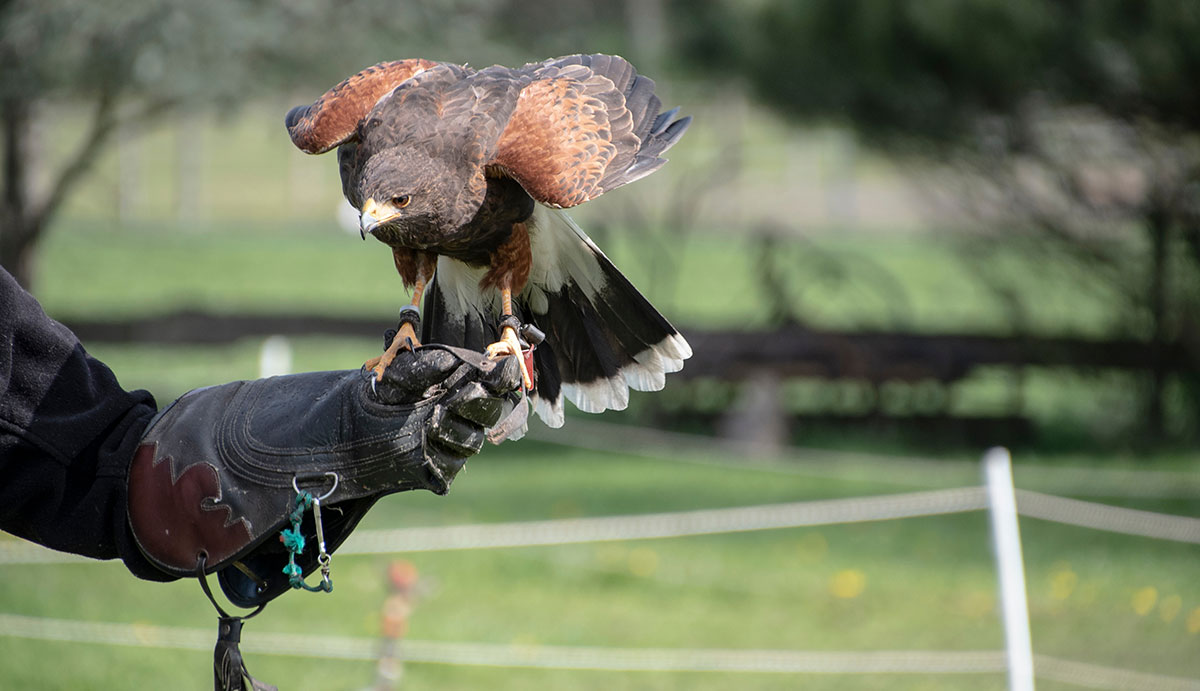
Falconry is more than an ancient practice; it is a living tradition that connects humans to nature and to each other. One of the most exciting ways this connection is celebrated today is through falconry festivals. These gatherings bring together falconers from all corners of the world, creating a space where tradition, culture, and wildlife conservation intersect. I have had the privilege of attending several such festivals, and each one is a reminder of how rich and diverse the global falconry community truly is.
Falconry festivals are not just competitions. They are cultural events where stories are shared, techniques are demonstrated, and friendships are forged. They honor the history of falconry while also providing a platform to discuss modern challenges, such as bird conservation, habitat protection, and the role of technology in training and tracking raptors.
The Majesty of Birds in Flight
One of the most awe-inspiring aspects of any falconry festival is watching the birds take to the air. Falcons, hawks, eagles, and owls perform incredible displays, demonstrating speed, precision, and intelligence. Each flight is a testament to the bond between human and bird, and it is a powerful visual reminder of why falconry has endured for thousands of years.
At festivals, spectators often come from outside the falconry community. Families, students, and tourists gather to witness the displays, many experiencing their first close encounter with a bird of prey. The excitement in the crowd is palpable. You can see children’s eyes widen and hear adults murmur in admiration as a bird dives, twists, and soars. These moments ignite curiosity and respect for wildlife, showing how festivals serve as both cultural and educational events.
Festivals Across Continents
Falconry festivals take place around the globe, each reflecting the culture and history of its region. In the Middle East, festivals in the United Arab Emirates showcase traditional Bedouin hunting techniques and honor the deep spiritual connection between humans and birds. These festivals often include demonstrations of long-distance hunting, where falcons fly over vast deserts, returning to their handlers with extraordinary precision.
In Europe, countries like Spain, Hungary, and the United Kingdom host festivals that focus on the artistry and skill of falconry. Here, competitions may test accuracy and speed, but they also celebrate the heritage of falconry through storytelling, exhibitions, and educational workshops. Participants from different countries share techniques, learn from one another, and strengthen the international falconry community.
Central Asia also has a rich festival culture. In Kazakhstan, Kyrgyzstan, and Mongolia, eagle festivals highlight the remarkable bond between hunters and their golden eagles. These events honor centuries-old traditions, with elders mentoring younger generations, ensuring that the art of hunting with eagles continues to thrive. Watching a young eagle hunter guide a massive golden eagle across the steppe is a sight I will never forget. It is both thrilling and humbling.
Education and Conservation
While falconry festivals celebrate tradition, they also provide an important platform for conservation and education. Many festivals include workshops and presentations on raptor biology, migratory patterns, and threats to wild populations. Satellite tracking, rehabilitation efforts, and habitat protection initiatives are often highlighted, showing attendees how modern science and ancient practice can work together.
These events encourage a sense of responsibility among the falconry community. When falconers from different countries exchange conservation strategies, they create a network dedicated to protecting raptors globally. Young people who attend these festivals are especially inspired. Many leave with a renewed passion for wildlife conservation and a deeper appreciation for the cultural significance of falconry.
Building Community
Perhaps the most important aspect of falconry festivals is the sense of community they foster. Falconers may come from vastly different backgrounds, speak different languages, or follow different traditions, yet the shared love for birds creates an immediate bond. Stories, advice, and techniques are exchanged freely. Friendships form that often last a lifetime, and collaborations on conservation projects are born.
For me, attending these festivals has reinforced the idea that falconry is a bridge between generations and cultures. It connects rural and urban communities, unites experienced falconers with novices, and links traditional knowledge with modern science. It reminds us that the care of raptors is a shared responsibility, one that transcends national borders.
The Future of Festivals
As interest in falconry grows, festivals are evolving to include more educational programming, interactive experiences, and outreach to broader audiences. Technology has allowed organizers to track the flights of birds in real time and display this information for spectators. Workshops teach young people how to care for birds, observe wildlife, and contribute to conservation efforts.
These innovations ensure that falconry festivals remain relevant in a modern world while preserving the traditions that make them unique. They inspire pride in cultural heritage, foster environmental stewardship, and create unforgettable experiences that leave lasting impressions on everyone who attends.
Conclusion
Falconry festivals are more than celebrations. They are gatherings of culture, knowledge, and shared purpose. They showcase the skill and beauty of birds of prey while educating communities and inspiring conservation. For those of us who have devoted our lives to falconry, they are reminders that this ancient practice continues to thrive, adapt, and unite people around the world.
Watching a falcon take flight at a festival is a powerful moment. It symbolizes centuries of tradition, the dedication of falconers, and the incredible resilience of these birds. Festivals provide a stage for these moments to be shared with the world, ensuring that the art, science, and spirit of falconry will continue to inspire generations to come.
Falconry festivals are where tradition takes flight, and in every soaring bird, we see the story of humanity’s enduring relationship with the natural world.