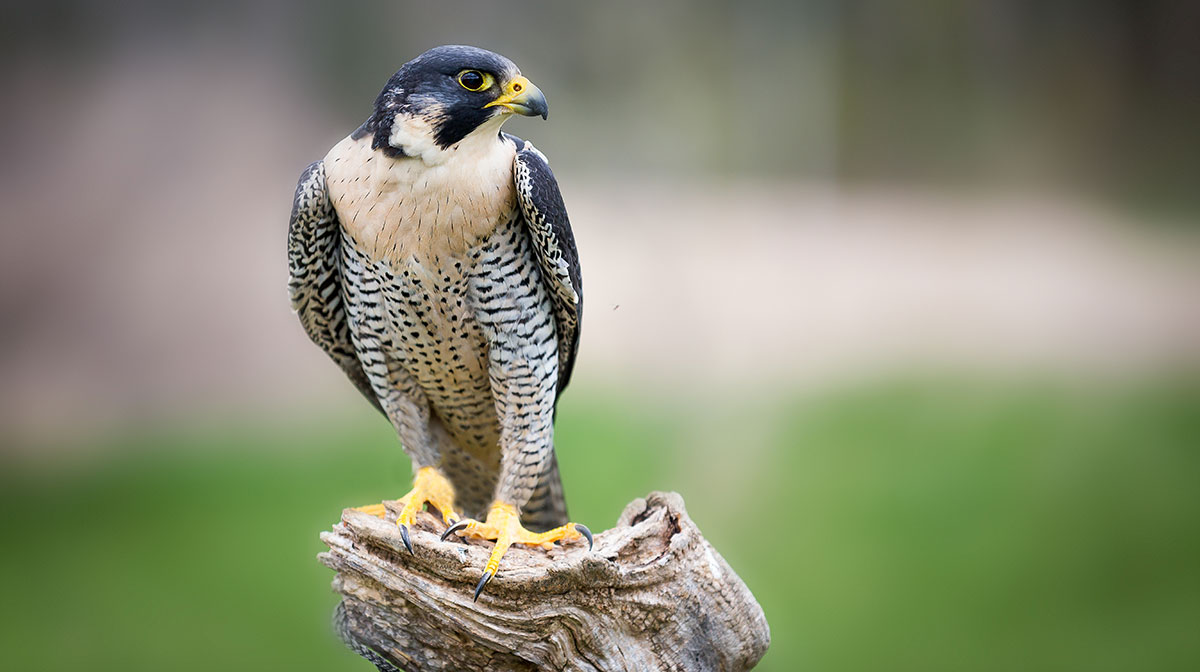
Falconry is one of the oldest human interactions with wildlife. For thousands of years, people across the Caucasus, Central Asia, and the Middle East have trained birds of prey to hunt, learning from them, observing their behavior, and living in harmony with the land. Unlike many forms of hunting, falconry has always emphasized respect and partnership. Today, this ancient tradition is taking on new importance. Falconry is no longer just a cultural practice; it is a tool for preserving biodiversity and protecting fragile ecosystems.
For me, the connection between culture and ecology is inseparable. Growing up in Georgia, I watched eagles, hawks, and falcons soar over mountains and valleys. I learned that these birds were not only majestic creatures but also vital indicators of environmental health. Their presence or absence could tell us much about the state of our forests, rivers, and plains. Falconry has always been about more than sport; it has been about understanding and protecting the delicate balance of nature.
Falcons and Ecosystems
Birds of prey occupy an essential place in ecosystems. They are apex predators, controlling populations of smaller animals and maintaining balance in the food chain. When raptors disappear, ecosystems can become unstable, leading to overpopulation of some species and decline of others. Protecting birds of prey is therefore crucial not only for their survival but for the health of the entire environment.
Falconry contributes to this protection in several ways. First, it encourages a deep familiarity with raptors and their habitats. Falconers must study migration patterns, feeding behavior, and nesting sites. This knowledge allows us to identify threats early, whether from habitat loss, pollution, or human activity. Second, falconry traditions often include ethical guidelines, such as releasing birds after hunting, which reinforces a conservation ethic.
Tradition as a Conservation Tool
Modern conservation often focuses on legislation and scientific study, but tradition can be just as powerful. Falconers have been observing birds for centuries. We know where they breed, where they migrate, and how they behave during different seasons. This knowledge is invaluable for conservation programs.
In the Caucasus, falconers work with conservation organizations to monitor populations of endangered raptors. By combining our traditional knowledge with modern tracking technology, we can map migration routes, identify critical habitats, and prevent threats such as illegal hunting or habitat destruction. When culture and science work together, the results are remarkable. Raptors that were once declining are now returning to areas where they had disappeared.
Festivals and Awareness
Falconry festivals and cultural events also play a role in biodiversity preservation. By showcasing the skill and beauty of raptors, these gatherings draw public attention to the importance of protecting them. Children and adults alike are inspired to learn about conservation, and young falconers are trained not only in hunting techniques but in environmental stewardship.
At international festivals, I have seen conservation programs presented alongside falconry demonstrations. Audiences learn about raptor biology, migration, and threats to survival. These events remind people that culture and ecology are deeply intertwined. Protecting cultural practices like falconry often means protecting the natural habitats that make those traditions possible.
Challenges and Responsibility
Balancing cultural tradition with ecological responsibility is not always simple. Urbanization, agriculture, and climate change are altering landscapes and reducing the natural habitats of birds of prey. Falconers must adapt to these changes while remaining true to their heritage. Ethical falconry practices, such as avoiding over-hunting and prioritizing bird welfare, are essential to maintaining both culture and biodiversity.
It is also important to recognize that falconry alone cannot solve ecological problems. Conservation requires collaboration with governments, environmental organizations, and local communities. Falconers, however, bring a unique perspective. We see the land through the eyes of the birds we train and care for. This perspective helps guide decisions that protect not only raptors but entire ecosystems.
Education and the Next Generation
One of the most important aspects of using falconry as a conservation tool is education. Young people who learn falconry do not only acquire skills; they develop respect for wildlife and an understanding of ecological balance. In Georgia, we run programs where children observe raptors, assist in monitoring nests, and participate in bird releases. These hands-on experiences foster a sense of responsibility and a lifelong commitment to protecting the natural world.
By teaching the next generation, we ensure that cultural knowledge and ecological stewardship go hand in hand. They learn that tradition is not static; it evolves to meet the needs of the present while honoring the past. When children understand that the survival of raptors depends on healthy ecosystems, they become advocates for both culture and conservation.
A Shared Future
Falconry demonstrates that culture and ecology are not opposing forces. By preserving the tradition of falconry, we also preserve habitats, protect species, and raise awareness of environmental issues. It is a reminder that humans are part of nature, not separate from it.
As I watch a falcon take off from my glove and soar across the mountains, I am reminded that every flight represents a balance between human guidance and natural instinct. Protecting these birds and their environment requires the same balance: respect for tradition, commitment to conservation, and an understanding of the interconnectedness of life.
Conclusion
The practice of falconry in the Caucasus and Central Asia is a bridge between past and present, culture and ecology. It teaches respect, patience, and responsibility while contributing to the preservation of biodiversity. By combining traditional knowledge with modern conservation efforts, falconers can help protect raptors and the ecosystems they inhabit.
Falconry reminds us that culture is alive, and that the values it carries can support ecological preservation. In balancing heritage and conservation, we honor both our ancestors and the natural world. Every bird that soars into the sky represents more than freedom; it represents a future where human culture and nature thrive together.